October 28, 2026
Relocating can involve many tasks, from packing and transporting belongings to preparing a new space for use. The process can look different for households, offices, warehouses, and retail businesses, depending on what needs to be moved and how quickly the transition must happen. Moving companies help manage these needs through planning, transportation, handling, and other relocation support. This article explains how professional moving teams assist with different types of moves and help people and businesses manage the process more smoothly.
Planning Home Relocations
Home relocations often involve many different types of belongings. Furniture, clothing, household goods, and personal items must be organized for transportation and delivered to the correct rooms at the new property. According to RubyHome, housing is the most significant factor when it comes to moving, accounting for 14.5% of moves. This highlights how changes in housing can lead people to relocate for different reasons, such as finding more space, moving closer to work, or adjusting to a new stage of life. Moving companies can help coordinate these steps so the process follows a clear schedule. The needs of each household depend on its size, the amount of furniture, and the distance between locations. A move to a nearby property may require less travel planning than a long-distance relocation. Families may also need to coordinate moving dates with work schedules, school arrangements, or the availability of their new home.
Coordinating Office Relocations
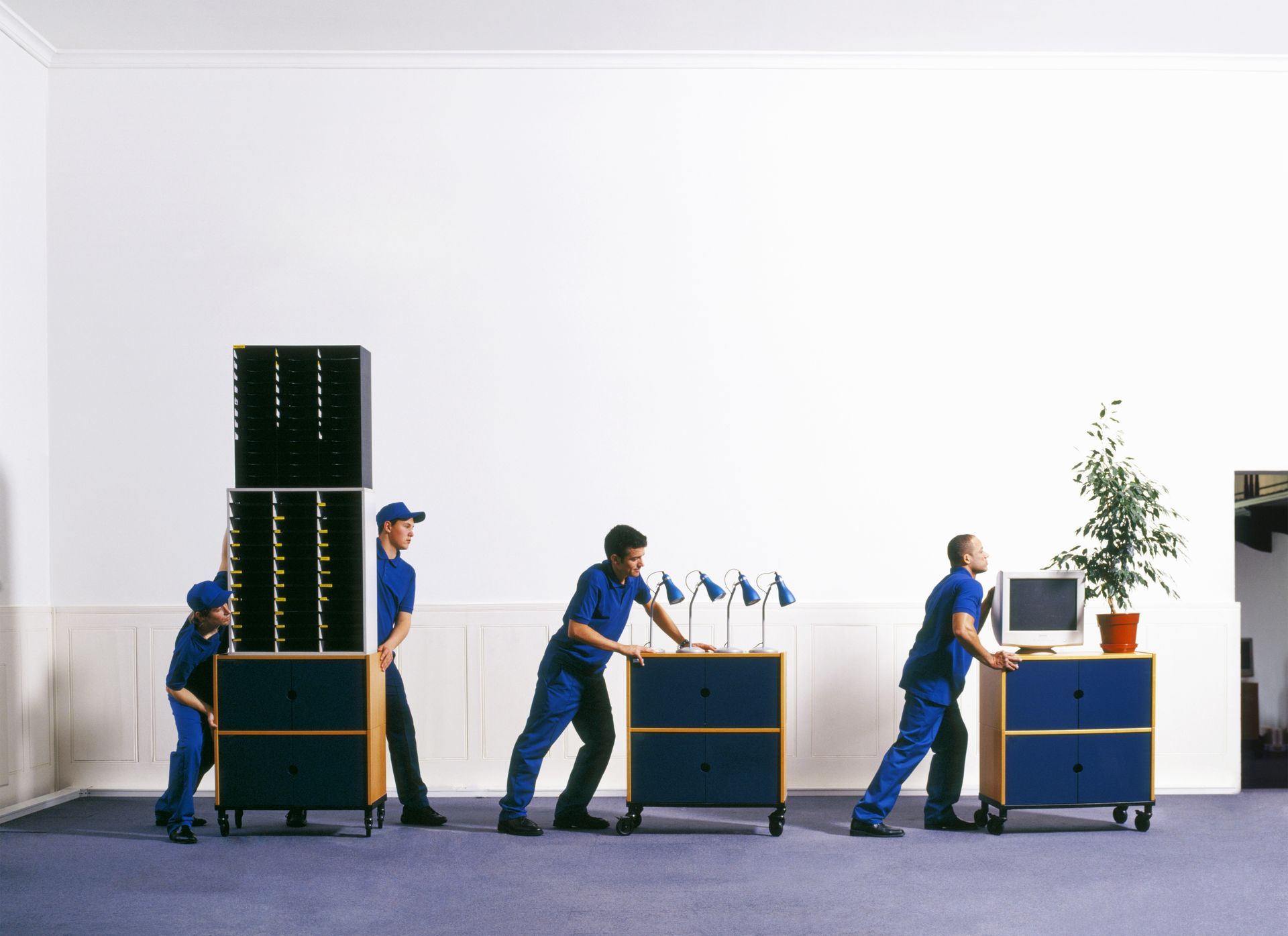
Office relocations require careful scheduling because they can affect employees and daily business activities. Computers, furniture, and other office belongings must be moved in an organized way to limit delays. Moving companies can plan how items are packed, transported, and delivered, using labels and inventories to reduce confusion during unloading. Some moves also involve heavy equipment that requires proper lifting methods and careful coordination. Professional heavy equipment moving services can help manage these challenges. Office installation may also involve positioning and assembling furniture before employees return to work. Seeking professional help with these tasks can make preparing the new office easier.
Managing Warehouse and Industrial Moves
Warehouse and industrial relocations often involve large spaces, heavy equipment, storage systems, and significant amounts of inventory. These moves can be more complex than a standard household or office relocation because many items must be moved in a planned order. Businesses also need to consider how the move may affect production, storage, shipping, and other daily operations. A relocation plan should account for the size and weight of equipment, access to loading areas, transportation needs, and the layout of the destination. Moving companies can help organize the movement of materials and equipment so that each stage follows a clear sequence.
Heavy equipment may require specialized handling because of its dimensions, weight, or operating requirements. Professional movers can assess the work involved and determine what resources are needed to transport these items safely. This planning helps reduce the risk of damage to equipment and surrounding property. Once the items reach the new location, industrial installation services may be needed to prepare the space for use. Equipment and storage systems must be placed according to the facility's layout and operating needs. A planned installation process helps businesses organize their space and prepare for a return to regular activity.
Organizing Retail Relocations
Retail relocations involve moving inventory, furniture, displays, storage items, and other materials used to operate a store. The work must be organized so that products arrive at the correct location and the new space can be prepared for customers. Timing is often important because extended closures may affect sales and customer service. A retail move may begin with an inventory review and a plan for grouping items. Products can be organized by department or display area to make unloading and placement easier. Furniture and store fixtures may also need careful handling to prevent damage during transportation.
Moving companies can coordinate the transportation schedule and help organize how items are delivered to the new store. Retail installation may then involve placing furniture, setting up displays, and arranging other parts of the space. A clear plan helps the business prepare its new location without unnecessary delays. Retailers may also need to coordinate the move with deliveries, staffing, and the opening date. Professional relocation support can help manage these moving parts and provide a more organized transition from the old store to the new one.
Protecting Furniture and Valuable Items
Some belongings require more attention than others during a move. Furniture may be large, heavy, or difficult to maneuver through narrow spaces. Artwork and other valuable items may need extra protection because they can be sensitive to impact, pressure, or changes in handling conditions. Professional furniture moving services can help with lifting, transportation, placement, and assembly. These tasks may be useful for both residential and commercial relocations, particularly when the move includes bulky items or multiple rooms. Proper planning also helps limit unnecessary movement and handling.
Art moving services support the transportation of paintings, sculptures, and other pieces that may need special care. The handling plan should reflect the item's size, condition, materials, and other relevant needs. Careful packing and placement can help reduce the chance of damage while the item is being moved. White glove moving services may also be suitable when a relocation requires additional attention to handling, delivery, and placement. This type of support can be useful for customers who want a more coordinated experience for selected belongings. Discussing these needs before moving day helps the relocation team prepare the right approach.
Supporting Senior Relocations
Senior relocations may involve moving to a smaller home, an assisted living community, or a property that better fits changing needs. The process can be challenging, especially for someone who has lived in the same home for many years. It may require decisions about furniture, belongings, and the new living space. Senior moving services help organize these tasks and support the transition. A clear schedule helps individuals and their families understand what needs to happen before, during, and after the move. Movers can also transport belongings and place them in the appropriate areas at the destination. Clear communication is important when planning a senior relocation. The moving team should understand the preferred timing, important belongings, and any mobility or access needs. Seeking professional help can reduce the burden of coordinating the move and make the transition easier to manage.
Arranging Storage and Flexible Moving Support
Not every relocation can be completed in one step. A new property may not be ready when the current space must be vacated, or a business may need time to prepare its new facility. In these situations, storage can provide a temporary place for belongings until they are ready to be delivered. Storage services may help households and businesses manage changes in timing, space, or access. Furniture, inventory, and other belongings can be kept until the next stage of the move is ready. The right arrangement depends on the type of items, how long they need to be stored, and when they will be needed again. Moving companies can also help coordinate transportation between the original location, storage facility, and final destination. Planning these steps in advance helps limit confusion and makes it easier to track where belongings need to go. Customers should discuss storage requirements and delivery timing early so that the moving plan reflects the full process.
A successful relocation starts with understanding the work involved. Households may need help when moving belongings, while businesses may require scheduling, equipment handling, or installation support. Valuable items and senior relocations may also need extra care. Moving companies coordinate planning, transportation, and handling based on the move's size, timeline, and destination. Reviewing these details ahead of time helps identify challenges and set clear expectations. To work with one of the top moving companies servicing the Austin, TX area, contact Expert Relo to discuss how our moving services can help organize your next move and prepare for a smoother transition.